
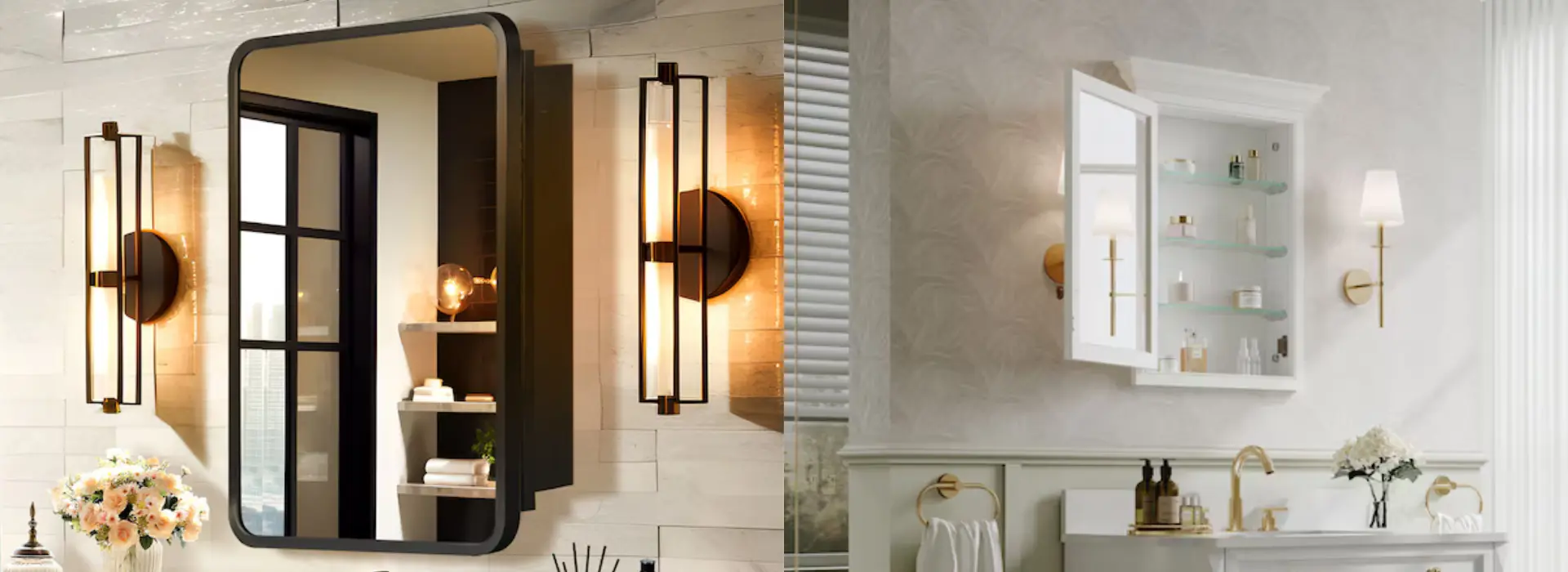
One appears straightforward, the other sleek and modern, but behind the scenes, their installation processes can be very different. Let’s unwrap it in layman’s terms so you know how much you’re subscribing to. It’s one of those small decisions that seem little at first but eventually affects installation time, budget, and even how your space will look for years to come.
So, let’s break it down together. We’ll talk about what each option actually means, how the installation process feels in real life, the tools you’ll need, and whether one is really easier than the other. By the end, you’ll not only know which one suits your project but also feel confident about taking the next step.
Table of Contents
- First Things First: What Do These Terms Mean?
- What Does Surface Mount Mean?
- What Does Recessed Mount Mean?
- What do you have right now?
- Installing a Surface Mount: The “Plug and Play” of Fixtures
- Installing a Recessed Mount: Sleek, Yes. Simple? Not Always.
- Which is Easier to Install?
- Real-Life Scenarios: Which One Feels Easier?
- Quick Comparison Chart
- Frequently Asked Questions (FAQs)
- Final Thoughts
First Things First: What Do These Terms Mean?
From lighting and cabinets to bathroom mirrors and electrical boxes, these two mounting styles dominate the conversation. But the real debate often boils down to one key factor- installation ease. Before we dive into the ease of installation, let’s clear up the basics.
What Does Surface Mount Mean?
A surface mount refers to any fixture or item installed directly onto a wall, ceiling, or surface without cutting into it. The fixture essentially sits on top of the surface, making it highly visible and slightly protruding.
Common surface-mounted fixtures include:
- Ceiling lights (surface-mounted LED panels or dome lights)
- Electrical boxes
- Bathroom mirrors with built-in lighting
- Cabinets or wall-mounted shelves
Surface mounting is the more traditional and straightforward approach since it doesn’t require structural alterations to the wall or ceiling.
What Does Recessed Mount Mean?
A recessed mount involves embedding the fixture within the surface. This means cutting a hole or cavity in the wall, ceiling, or cabinet where the fixture is installed flush with the surface, giving a seamless and modern look.
Common recessed-mounted fixtures include:
- Recessed lighting (a.k.a. can lights, downlights)
- Medicine cabinets
- Electrical boxes inside drywall
- Built-in shelves or niches
This type of mounting is sleek and minimalistic, but it usually demands more prep work, cutting, and sometimes even rewiring.
What do you have right now?
Before you decide recessed or surface mount fixture based on looks alone, stop and check what your space actually allows. This single step can save you time, money, and a lot of frustration.
Already have a recessed cavity or cut-out? Then go recessed. The hard work is done, and you’ll get that flush, modern look with less effort.
Have flat walls or ceilings with no recesses? Stick to surface mount. It avoids messy cutting, protects your budget, and is much quicker to install.
Tips to help you choose wisely:
- Match your fixture to the age of your home. Older homes can be tricky for recessed installs unless you’re renovating.
- Think about future upgrades. Surface mounts are easier to swap out if you like refreshing your space every few years.
- Consider room function. Kitchens and bathrooms often benefit from recessed fixture for a clean, moisture-resistant finish, while living rooms or rentals work best with surface for flexibility.
Installing a Surface Mount: The “Plug and Play” of Fixtures
If you’ve ever assembled IKEA furniture, you’ll appreciate the simplicity of a surface mount.
- Unbox your fixture.
- Hold it up against the wall or ceiling.
- Screw or anchor it in place, connect wires, and you’re done.
That’s the beauty of surface mounting. It’s accessible for homeowners who don’t want to tear up their walls.
Pros for Installation:
- Minimal tools needed (drill, screws, maybe wall anchors).
- Doesn’t demand a deep cavity or hollow space behind the wall.
- Faster — often under an hour for a single fixture.
- Lower labor costs if you hire someone.
Cons:
- More visible. It sticks out, so if you’re after that “sleek hotel lobby” vibe, it might feel bulky.
- Wires may need surface channels if not already present.
Installing a Recessed Mount: Sleek, Yes. Simple? Not Always.
Now picture this: you want a recessed light that disappears into the ceiling, making your space look spacious and modern. Sounds perfect — until you realize what’s required.
Installing recessed fixtures isn’t just “cut and go.” You often need:
- A precise cutout in the drywall or ceiling.
- Enough clearance behind the wall for the housing.
- Proper wiring setup that doesn’t interfere with beams, pipes, or insulation.
Pros for Installation:
- Beautiful flush finish that hides the bulk of the fixture.
- Creates a clean, minimalist aesthetic.
- Great for small rooms where you want to avoid clutter.
Cons:
- Requires more tools (saws, measuring templates, mounting brackets).
- Not always DIY-friendly unless you’re experienced.
- Professional labor adds to the cost.
- Mistakes (like cutting too large) are harder to fix.
Which is Easier to Install?
Now to the main question: Which option is easier to install - surface mount or recessed mount?
- Tools and Skill Level
Surface Mount: Requires basic tools like a drill, screwdriver, wall anchors, and possibly a stud finder. Suitable for DIYers and beginners.
Recessed Mount: Requires advanced tools such as a drywall saw, hole cutter, measuring tools, and electrical wiring knowledge. Best left to professionals.
Winner: Surface Mount - Time Required
Surface Mount: Can often be installed in less than an hour, depending on the fixture.
Recessed Mount: Involves extra steps - measuring, cutting, wiring, securing, and patching. May take several hours or more.
Winner: Surface Mount - Risk of Mistakes
Surface Mount: Low risk. If you misalign holes, you can easily patch and redo.
Recessed Mount: High risk. A wrong cut in drywall or ceiling could cause lasting damage, uneven placement, or even safety hazards.
Winner: Surface Mount - Cost of Installation
Surface Mount: Affordable since you won’t need specialized labor.
Recessed Mount: Professional installation is often required, which adds to costs.
Winner: Surface Mount
Real-Life Scenarios: Which One Feels Easier?
- Apartment renter on a weekend project? Surface mount all the way.
- Building your dream home from scratch? Recessed may be worth the extra effort.
- Quick refresh for an old bathroom? Surface mounts are quicker, especially if walls are tiled and you don’t want to deal with mess.
- High-end office or gallery space? Recessed often gets the nod for a polished, professional finish.
Quick Comparison Chart
| Feature | Surface Mount | Recessed Mount |
|---|---|---|
| Appearance | Sits on top of the surface | Flush with surface, looks seamless |
| Installation Time | Fast (30–60 mins) | Longer (2–4 hours or more) |
| Tools Required | Basic drill & screws | Saw, brackets, drill, wiring |
| Skill Level | Beginner-friendly | Intermediate to expert |
| Aesthetics | Protruded, practical | Sleek, modern, minimal |
| Cost (Labour) | Lower | Higher |
| Future Maintenance | Easy access | Harder to reach |
Frequently Asked Questions (FAQs)
- Can I install recessed fixtures myself?
Technically, yes, but unless you’re skilled in electrical wiring and drywall cutting, it’s best to hire a professional to avoid safety and structural issues. - Do recessed mounts damage walls or ceilings?
They don’t “damage” but do require permanent alterations (cutting). This is not reversible without patching and repainting. - Are surface-mounted fixtures old-fashioned?
Not necessarily. Many modern designs feature stylish surface-mounted lights and cabinets that complement contemporary interiors. It depends on the fixture design you choose. - What about moisture-heavy rooms like bathrooms?
Both can work - just make sure the fixture is rated for damp or wet locations. Recessed is common in showers, while surface mounts are easier for vanity areas. - Is one more durable than the other?
Durability depends more on the quality of the fixture than the mounting style. That said, surface mounts are easier to replace if damaged.
Final Thoughts
At the end of the day, installation ease depends on your comfort level, tools, and the project scope. If you’re aiming for something quick, fuss-free, and budget-friendly, surface mounts are a no-brainer.
But if you’re chasing that high-end, magazine-worthy look - and you don’t mind hiring help or putting in the work - recessed mounts will reward you with a clean, modern finish.
Surface Mount = Easier installation, budget-friendly, accessible
Recessed Mount = Sleek design, modern appeal, but requires skill and higher cost
So, next time you’re standing in the aisle at the hardware store, staring at two boxes and wondering which one is “right” … remember: it’s not just about style. It’s about what works best for you, your home, and your weekend sanity.
-min (1).png)
.webp)
.webp)
.webp)
.webp)
.webp)
.webp)
.webp)