Why Water Comes Out of the Sink Overflow
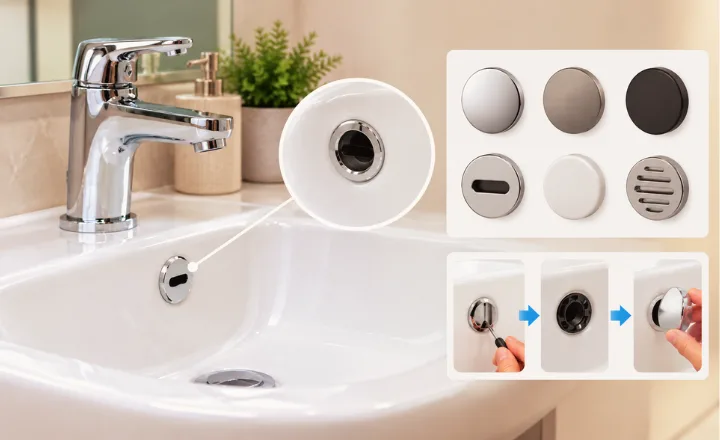
A sink overflow is that small hole you usually see near the top inside a bathroom sink bowl. It generally goes unnoticed until something goes wrong.
by Sooraj T. Mathews
Oct 12, 2026
10 minute read
_mobile.webp)
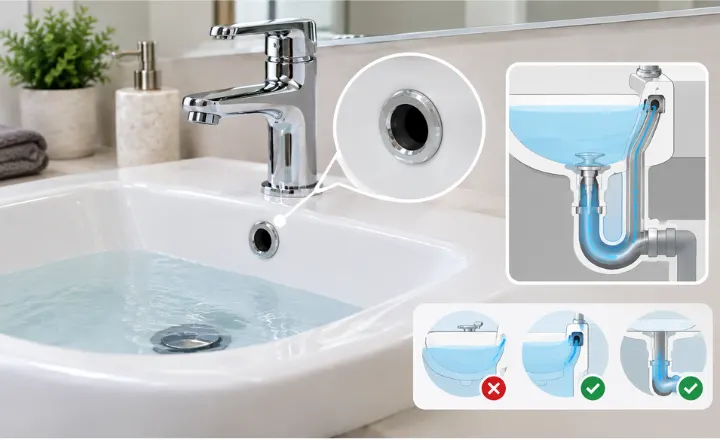
It just exists, and its job is pretty simple. If the water level rises too high, the overflow gives that extra water a path back into the drain before it spills over the front of the sink.
That is the basic idea, anyway.
The overflow hole connects to a hidden passage inside the sink. That passage leads down toward the drain assembly. So, when water reaches the overflow opening, it should travel through that internal channel and return to the drain. It is not supposed to pour out onto the vanity, leak under the sink, or come back out in a messy way.
Another major function of an overflow is to support the airflow inside the drain system. That air movement can help the sink drain more smoothly, especially when the stopper is open and water is moving fast.
A properly working overflow system should carry excess water safely into the drain without leaking. When water starts coming out from the sink's overflow, then it is a problem.
Top Reasons Why Water Comes Out of the Sink Overflow
There are a few common reasons for this problem. They usually start small. A little slow drainage. Some soap buildup. Hair sitting in the drain. Then one day the sink behaves like it has a much bigger issue.
Partially Clogged Drain
This is probably the first thing to suspect. When the main drain is partly blocked, water cannot move down quickly enough. So it begins looking for another path.
Since the overflow is connected to the drain area, when water backs up due to a block, water might start coming out from the overflow opening. You might see water bubbling, dripping, or coming out of the overflow hole while the sink is draining.
Blocked Overflow Channel
The overflow channel itself can also get dirty. This part is often forgotten.
Over time, soap scum and grime can build up inside that hidden passage. Sometimes there is old residue from years of use. Sometimes tiny debris gets trapped inside. When the overflow channel is blocked, water entering it cannot move properly toward the drain. So it may come back out.
This is why cleaning only the main drain does not always solve the problem. The overflow passage may need attention too.
High Water Flow or Pressure
Sometimes the drain is not badly clogged, but the faucet is simply sending too much water into the basin too quickly. If the tap runs hard and the drain is even slightly slow, the water level can rise fast.
At that point, the overflow does what it was made to do. It starts taking water in. But if the overflow or drain cannot handle the extra volume, water may appear around the overflow opening or discharge in an unusual way.
This can happen with newer faucets that have strong water flow, or with sinks that have smaller drain openings. It is not always a pressure problem in the whole house. Sometimes it is just more flow than that particular sink setup likes.
Improper Sink Installation
A sink overflow depends on correct alignment. The internal overflow passage, drain body, washers, gaskets, and tailpiece all need to sit properly. If something is slightly off, water may not travel where it should.
This is especially possible after a sink or drain assembly replacement, or DIY installation. A drain body that is not seated correctly can cause water to collect in the wrong place. A gasket can also shift. Or the overflow opening may not line up well with the drain assembly design.
The issue shows up when the sink fills higher than usual or when water drains quickly.
Damaged Internal Overflow Passage
This is less common, but it does happen. The internal overflow passage can be cracked, poorly formed, or damaged. In some sinks, especially older ones or sinks that have taken a hit, a hidden crack may let water escape instead of sending it directly to the drain.
This type of issue is harder to confirm because the passage is inside the sink body. If the sink leaks only when water enters the overflow hole, and the drain parts look fine, the sink itself may be the problem.
Cause → Problem → Fix
Sometimes it helps to look at the issue in a simpler way. Not too technical. Just cause, what it creates, and what usually fixes it.
Cause: Clogged drain
The problem is slow water flow. Water cannot leave the basin quickly enough, so it backs up. The fix is to clean the drain thoroughly, not just rinse it with water and hope for the best.
Cause: Blocked overflow
The problem is water backup inside the overflow channel. The fix is to flush and clean the overflow hole so the hidden passage can move water again.
Cause: High water flow
The problem is excess pressure or volume entering the sink faster than the drain can manage. The fix may be as simple as reducing tap flow, especially while washing or filling the basin.
Cause: Installation issue
The problem is misaligned drainage. Water does not travel through the correct path. The fix is to adjust or reinstall the drain assembly, gaskets, or related sink parts.
That sounds neat when written out, but in real life these causes can overlap. A slightly clogged drain plus a dirty overflow plus a strong faucet can all work together. That is why it is usually better to clean the obvious parts first before assuming the sink is defective.
How to Fix Water Coming Out of Sink Overflow
Start with the simple checks. Most sink overflow problems are not solved by replacing the whole sink. Usually, the main drain or overflow channel is dirty.
First, check how fast the sink drains. Run the faucet for a short time and watch the water. If it collects in the basin or drains slowly, the main drain is the first place to work on. A slow drain is one of the clearest signs that water is backing up because it has nowhere to go fast enough.
Then clean the main drain. Remove the stopper if you can. Hair and soap buildup often sit right below it. It can look unpleasant, but that is usually where the problem starts. Use a small drain cleaning tool or a plastic hair removal strip. Avoid forcing anything metal as you do not want to damage the drain finish or its parts.
After that, flush the overflow hole. This part matters. You can use warm water and a small funnel, squeeze bottle, or flexible cleaning brush made for overflow openings. The goal is to loosen the soap film and debris inside the hidden channel. Do it slowly. If water immediately comes back out, the channel may be blocked deeper inside.
A baking soda and vinegar rinse can help with light buildup. Pour a small amount of baking soda into the overflow opening, then add vinegar. Let it fizz for a while. It is not a miracle cleaner, but it can loosen soft grime. After that, run hot water through the overflow passage. Not boiling water, especially if your plumbing includes plastic parts. Hot tap water is usually enough.
Run water through the main drain again and see if the sink behaves better.
Fixing the main drain usually resolves overflow issues.
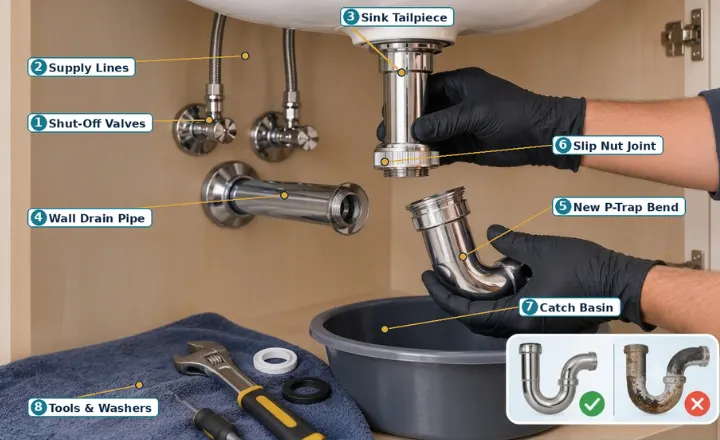
Still, it is worth checking under the sink. Look at the P-trap, tailpiece, drain connections, and supply area. You are not only looking for active leaks. You are looking for water stains, damp cabinet flooring, loose nuts, or signs that something has been dripping slowly. If the overflow problem is connected to poor installation, the under-sink area may give you a clue.
Do not ignore smells either. A sink that drains badly and smells bad may have more buildup inside the drain or trap. That is a slightly different problem, but it can be connected.
Signs Your Sink Has a Bigger Plumbing Problem
Most overflow problems are small.
You may be dealing with a bigger plumbing issue if:
-
Water leaks frequently, even after cleaning the drain
-
More than one fixture is draining slowly
-
A strong sewer-like odor is coming from the sink
-
You hear gurgling sounds after water drains
-
Water backs up into the sink when another fixture is used
-
The cabinet under the sink keeps getting damp
That last one is important. Water inside a vanity cabinet can quietly damage wood, flooring, and stored items. It can also lead to moldy smells.
A frequent leak, strong odor, or multiple slow drains may point to a deeper blockage or venting problem that needs professional inspection.
Is It Normal for Overflow to Release Water?
Yes, sometimes.
If the sink fills too high, the overflow is supposed to receive water. That is the whole point of the overflow hole. It gives rising water a backup route so the basin does not spill over immediately.
But it should not happen all the time.
During normal use, the overflow should usually stay dry. If water comes out of the overflow every time you run the faucet, it means the sink is not draining correctly, the overflow passage is blocked, or something in the setup is not aligned right.
A good way to think about it is this: the overflow is an emergency helper, not the main drainage path. If it is getting involved often, the main drain is probably not doing its job properly.
How to Prevent Overflow Issues
Prevention is mostly about keeping buildup from getting comfortable inside the sink.
Try not to dump debris into the basin. Small pieces of hair, dirt, product residue, and thick liquids can settle inside the drain. Even if they go down at first, they may stick to soap scum inside the pipe.
Clean the drain regularly. You do not have to make it a major project. Removing hair from around the stopper and rinsing with hot water once in a while can help more than people expect.
Flush the overflow occasionally too. This is the part many homeowners skip. Since the overflow hole is not used every day, grime can sit inside it for a long time. A small brush, warm water, or a gentle vinegar rinse can keep the passage clearer.
Also watch the faucet flow. If water enters the basin faster than it drains, reduce the tap flow. This is especially useful in small bathroom sinks, vessel sinks, or older sinks where the drain is not very fast.
And when you notice slow drainage, deal with it early. A sink rarely goes from perfect to badly clogged overnight. There are usually warning signs. Slow draining. Small gurgles. A faint smell. Water sitting longer than usual around the drain.
That is the time to clean it.
FAQs
Why does water come out of overflow when draining?
Water often flows out of the overflow when the main drain is slow or partially blocked. The water cannot drain quickly enough, so it backs up through the connected channels. Cleaning the drain and the overflow channel usually fixes this issue.
Can I fix an overflow issue myself?
In many cases, yes, you can address the overflow problem on your own. Begin by cleaning the drain, removing hair or soap residue, and flushing the overflow hole with warm water. If the leak persists after basic cleaning, the problem might involve deeper plumbing issues.
Does an overflow problem mean there is a blockage?
Often, yes. A sink overflow issue usually indicates a blockage in the main drain or within the overflow passage. It can also occur due to excessive water flow, improper installation, or a damaged internal overflow channel, but blockage is typically the primary cause to check first.
Should the overflow always remain dry?
During regular sink use, yes, the overflow should normally stay dry. It should only collect water when the basin becomes too full. If water consistently enters or exits the overflow, it likely means there is a drainage or blockage problem with the sink.
Conclusion
Water exiting the sink overflow is typically not random.
The sink is responding to slow drainage, a blocked overflow channel, excessive faucet flow, or an installation issue that prevents water from draining properly. In most cases, cleaning the main drain and flushing the overflow passage is sufficient to restore normal function.
Nevertheless, it is important to watch for recurring leaks, unusual odors, gurgling sounds, or slow drains in other fixtures.
These signs might suggest the issue extends beyond the sink itself. Maintaining a clean drain and overflow system ensures proper performance and helps prevent unexpected water problems.
-min (1).png)
Sooraj T. Mathews
Sooraj is a content creator with 6 years of experience and a knack for making SEO work feel like storytelling. With 4 years in the digital marketing game, he blends strategy and creativity to craft content that clicks and converts. Outside of work, you'll find him unwinding with a good puzzle or getting lost in a great book—always curious, always learning.
.webp)
.webp)